Despite lighter traffic, rural roads see a high number of fatal accidents.
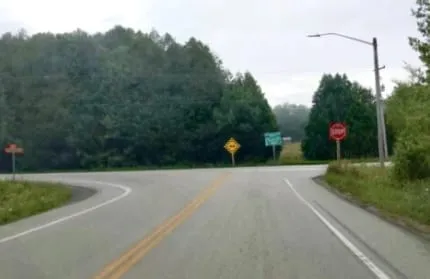
In 2021, the National Highway Traffic Safety Administration (NHTSA) recorded that the rate of crashes in the U.S. was 46 per cent higher on rural roads compared to urban roads[1]. Several factors contribute to this, such as limited visibility from sharp curves and unmaintained foliage, and rough road conditions like potholes and loose gravel[2]. Additionally, rural roads lack sufficient signage, signals and streetlights, thus increasing the risk of accidents[2]. Given that rural residents tend to travel 50 per cent more miles compared to their urban counterparts, they rely on these roads for essential services like education, employment and healthcare, making road safety necessary[3].
The reality of rural road maintenance
For municipalities, addressing these challenges can be complex. In a report by TRIP, the U.S. is currently facing a $198-billion backlog for necessary repairs, of which $97 billion is needed just for rural rehabilitation[4].
Similarly, in Canada between 2012 and 2021, 74 per cent of fatal vehicle collisions occurred on rural roads[5]. Grey County, a predominantly rural area in Ontario, encountered similar issues with manual inspections and inaccurate PCI assessments leading to delayed repairs. Using iris's A.I.-powered road monitoring system allowed them to prioritize repairs, thus expanding the lifespan of their roads.
Long-term benefits for road safety and even agriculture
Fewer accidents lead to reduced insurance claims and reduced healthcare costs, which benefits both municipalities and their residents[6]. In addition to these benefits, rural economies stand to gain more as well. In 2023, agriculture and related industries contributed $1.5 trillion to the U.S. economy, and the United States Department of Agriculture (USDA) reported that effective transportation systems directly support rural economies by increasing the value of crops[3]. By investing in road maintenance through A.I. technology, municipalities can create a safer, more efficient environment that supports public safety and the agricultural sector.
References
- 1.National Highway Traffic Safety Administration (NHTSA). (2023). Traffic Safety Facts 2021: Rural/Urban Comparison (Report No. DOT HS 813 488). https://crashstats.nhtsa.dot.gov/Api/Public/ViewPublication/813488.pdf
- 2.Bergeron Clifford. (2024, June 5). Hazards associated with bad roads. https://www.bergeronclifford.com/2024/06/05/hazards-associated-with-bad-roads/
- 3.TRIP. (2024). Rural Connections: Examining the Safety, Connectivity, Condition, and Funding Needs of America's Rural Roads & Bridges. https://tripnet.org/wp-content/uploads/2024/09/TRIP_Rural_Connections_Report_September_2024.pdf
- 4.Rural Ontario Institute. (2020). Road Infrastructure in Rural Ontario (Focus on Rural Ontario, Vol. 7, No. 9). https://www.ruralontarioinstitute.ca/uploads/userfiles/files/Road%20Infrastructure_Vol%207%20No%209.pdf
- 5.Tests.ca. (2023). Driving Statistics in Canada. https://tests.ca/driving-statistics/
- 6.Association of Municipalities of Ontario (AMO). (2023). The Future of Municipal Liability and Risk Management. https://www.amo.on.ca/sites/default/files/assets/DOCUMENTS/Joint%20and%20Several%20Liability%20Insurance/2023/TheFutureofMunicipalLiabilityandRiskManagementRPT2023-08-16.pdf